


Introduction
The difference between packaging laminates, and trilaminados it is critical to choose the correct material in the industry of flexible packaging. In the industry of flexible packaging, the terms and laminated trilaminado tend to raise doubts among manufacturers, packaging designers, and purchasing teams. Although both types of materials have similar duties —to protect, store and transport products— their structures, properties and costs are different.
In this guide clear and technique, we explain the fundamental differences between the packaging laminate and packaging trilaminados, real-life examples of usage, advantages and recommendations for selecting the ideal material according to the final product.
What is a packaging laminate?
A packaging laminate is a material composed of two layers of films that are joined by special adhesives.
These layers tend to combine mechanical properties, and visual barrier that a single material could not ensure by itself.
Most common structure:
- OPP + PE
- PET + PE
- OPP + CPP
Key properties:
- Good resistance to tearing.
- Excellent printability.
- Suitable for packaging high-volume and high-speed packaging.
- Cost more affordable than the trilaminado.
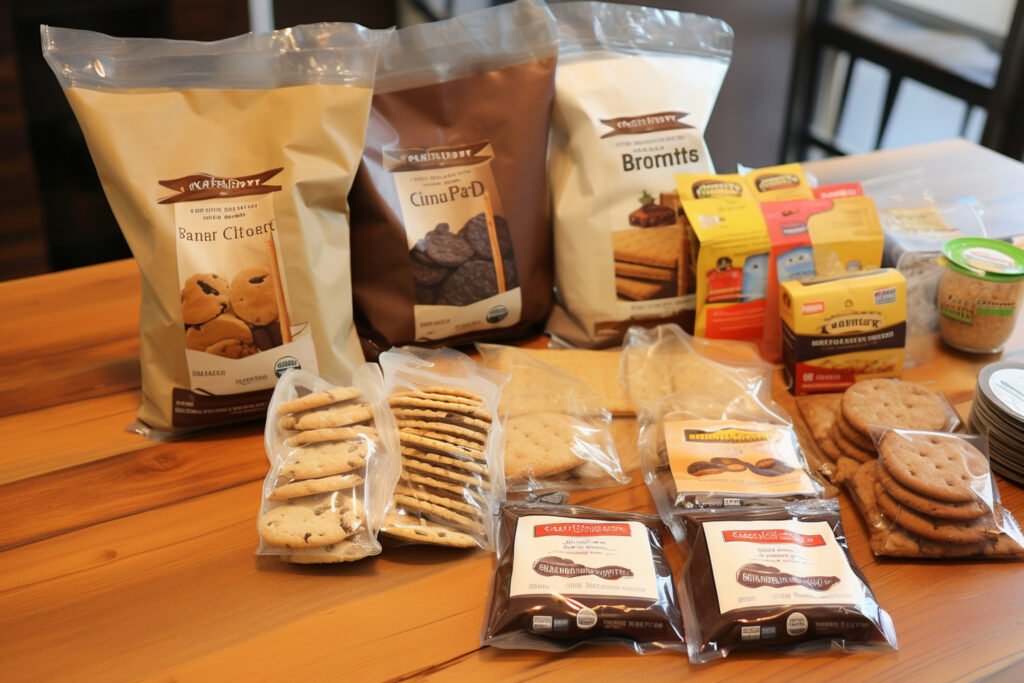
Examples of use:
- Bags of snacks.
- Sleeves of crackers.
- Bags for short pasta.
- Flowpacks of candy or bars.
A laminated bilayer is the ideal solution when you require a balance between cost and performance for products of rotating mass.
What is a package trilaminado?
The trilaminado is a composite material by three layers of films, where each layer plays a specific role: barrier, mechanical resistance and sellabilidad.
Most common structure:
- PET + ALU + PE
- PET + METOPP + PE
- PET + PA + PE
Key properties:
- High barrier against oxygen, moisture, and light.
- Maximum protection for sensitive products.
- Greater structural strength.
- Long service life of the product.
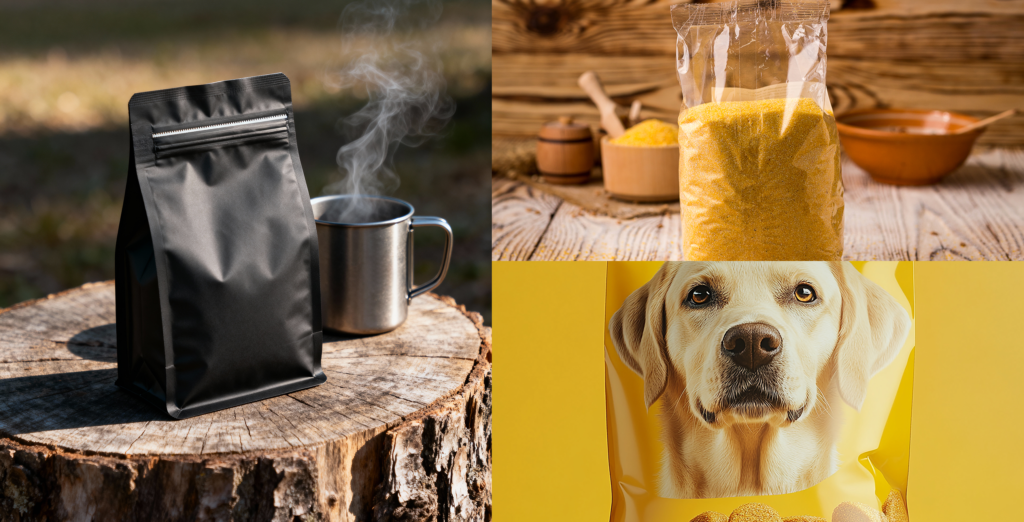
Examples of use:
- Premium coffee.
- Powder food.
- Nutritional supplements.
- Pharmaceutical products.
- Pet food.
The trilaminado ensures stability and protection when the cold chain or by the storage conditions are demanding.
Key differences between laminated vs. trilaminado
Then, a comparison clear and straightforward to understand when to choose each one:

What material should I choose as my final product?
The choice depends on the level of protection that the product requires.
Choose laminated if your product is:
- Biscuits, pastries, snacks, rice.
- Products that are not sensitive to light or moisture.
- Packaging that require good looks and low cost.
Choose trilaminado if your product is:
- Coffee, cocoa, spices, powders, functional.
- Supplements and pharmaceutical products.
- Foods that require barrier high and extended life.

What raw materials are used?
Laminates are used mainly:
- LDPE, PELBD, HDPE → sealing layer.
- OPP → stiffness and brightness.
- PET → high printability.
In trilaminados are used:
- PET → rigidity + resistance to temperature
- ALU (aluminium) → absolute barrier.
- PE → sealing and compatibility with machinery.
These resins are part of the portfolio on a regular petrochemical represented by Tomomi Group, Dow, LyondellBasell, Essentia or Momtachem.
Conclusion
Choose from a packaging laminate or trilaminado depends on the specific needs of the final product. While the laminate stands out due to its cost and versatility, the trilaminado is the best solution for sensitive products that require a higher barrier and protection.
A reliable dealer of raw materials —such as Tomomi Group LLC can advise the manufacturer in the selection of the resin grade appropriate, considering the process (extrusion, lamination, printing, sealing), and the properties desired in the final packaging.